Build Constructions
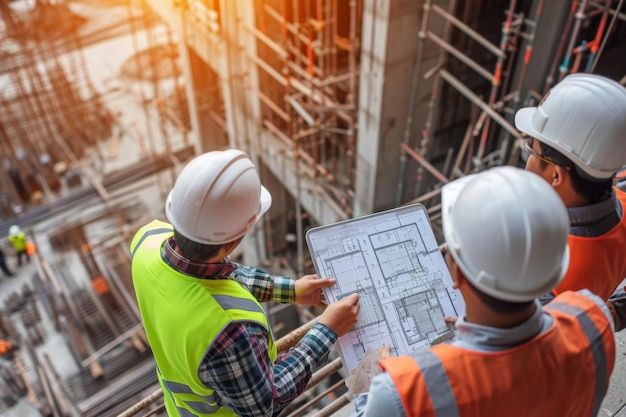
Building construction is one of the most important pillars of social and economic development. It provides shelter, workplaces, schools, hospitals, and other essential facilities needed for human life. When buildings are well planned, safe, and durable, they greatly improve the quality of life in society. Stages of Building Construction Building construction consists of several important stages. The first stage is planning, where the purpose of the building, budget, and overall layout are prepared. This is followed by design, which is carried out by architects and engineers to ensure the building is safe, functional, and visually appealing. The next stage is the construction phase, where the actual work takes place. This includes building the foundation, walls, roof, and installing electrical, plumbing, and other essential services. Construction Materials Common materials used in building construction include cement, sand, stone, steel, wood, and concrete. The quality of these materials plays a major role in the strength and lifespan of the building. Using high-quality materials helps ensure durability and safety. Importance of Safety Safety is a critical aspect of building construction. Construction rules and regulations must be followed to prevent accidents and structural failures. Workers should use protective equipment such as helmets, gloves, and safety boots to reduce risks on construction sites.
Build Re-Innovation
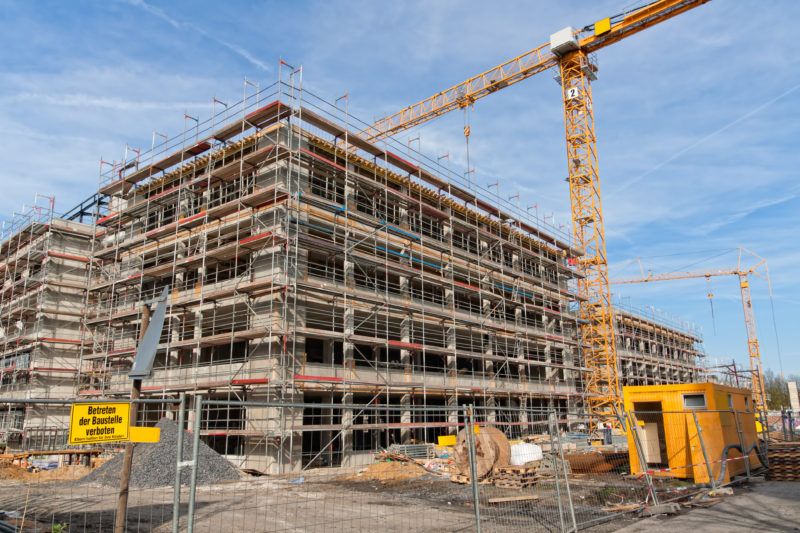
Re-innovation refers to the process of improving, redesigning, or upgrading existing ideas, products, or systems to make them more effective and efficient. Instead of creating something completely new, re-innovation focuses on enhancing what already exists to meet modern needs and challenges. Stages of Re-Innovation Re-innovation involves several important stages. The first stage is evaluation, where existing products or systems are carefully analyzed to identify weaknesses or areas for improvement. This is followed by idea development, where new methods, technologies, or designs are introduced to improve performance. The next stage is implementation, where the improved idea is put into practice. This may include upgrading materials, changing processes, or applying new technology to achieve better results. Tools and Methods Common tools used in re-innovation include modern technology, digital systems, research, and user feedback. These tools help organizations understand current problems and develop better solutions that are more sustainable and cost-effective. Importance of Re-Innovation Re-innovation is important because it saves time and resources while increasing efficiency. It helps businesses remain competitive, reduces waste, and promotes sustainability. By improving existing systems, organizations can adapt to changing market demands without starting from zero.
Road Construction
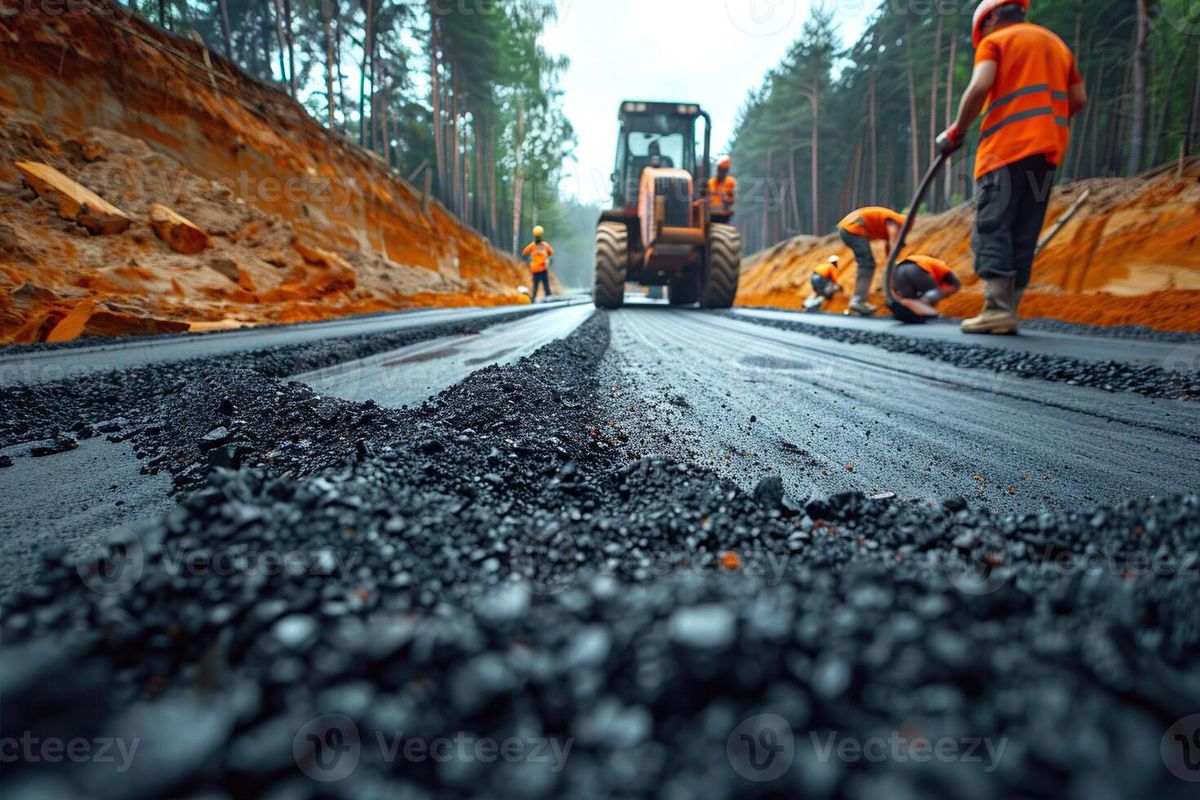
Road construction is a vital part of infrastructure development in any country. Well-constructed roads improve transportation, support economic growth, and enhance access to essential services such as education, healthcare, and trade. Roads connect cities, towns, and rural areas, making movement of people and goods faster, safer, and more efficient. Importance of Road Construction Road construction plays a key role in national development. Good road networks reduce transportation costs, save time, and promote business activities. They also improve road safety by reducing accidents caused by poor road conditions. In developing countries, road construction helps open up remote areas and supports social and economic inclusion. Stages of Road Construction Road construction involves several important stages: Planning and Design This stage includes surveying the land, studying traffic needs, and designing the road according to safety and environmental standards. Site Preparation The construction area is cleared, leveled, and prepared. This may involve removing trees, rocks, and old structures. Earthworks and Foundation Soil is excavated and compacted to create a strong foundation. A solid base is essential for the durability of the road. Paving Materials such as asphalt or concrete are laid to form the road surface. This stage determines the strength and smoothness of the road.
Real - Estate
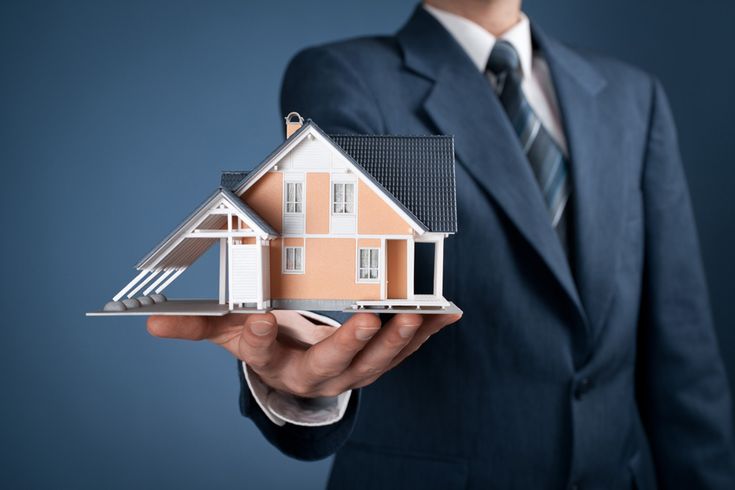
Real estate refers to property consisting of land and the buildings on it, along with natural resources such as water and minerals. The real estate sector plays a major role in economic development by creating jobs, attracting investment, and providing housing and commercial spaces for communities. Importance of Real Estate Real estate is essential for both individuals and businesses. It provides residential homes, office buildings, shopping centers, and industrial facilities. A strong real estate market contributes to economic stability and urban development. It also increases land value and supports long-term investment opportunities. Types of Real Estate There are several types of real estate, including: Residential Real Estate This includes houses, apartments, and condominiums used for living purposes. Commercial Real Estate Properties such as offices, hotels, malls, and retail shops fall under this category. Industrial Real Estate This includes factories, warehouses, and logistics centers. Land Vacant land used for development, agriculture, or future investment. Real Estate Development Process The real estate development process involves planning, financing, construction, and marketing. Developers analyze market demand, secure funding, obtain legal approvals, and construct properties that meet customer needs. After completion, properties are sold or leased to generate income.
Architecture
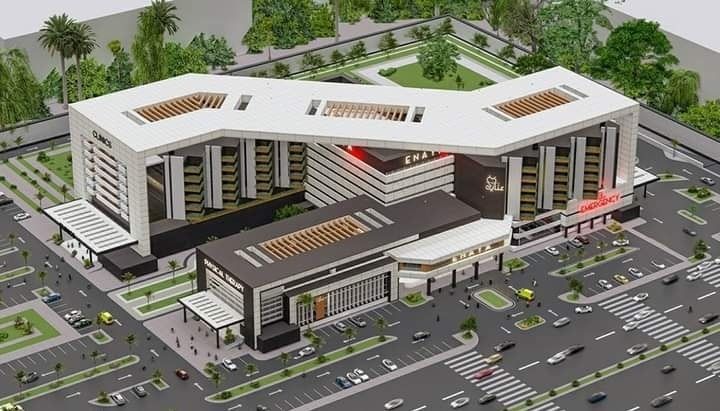
Architecture is the art and science of designing buildings and structures that are functional, safe, and visually appealing. It plays an important role in shaping cities and communities by combining creativity, technology, and cultural values. Stages of Architecture Architecture involves several key stages. The first stage is concept development, where architects create initial ideas based on the client’s needs, site conditions, and purpose of the building. This is followed by design development, where detailed drawings and plans are prepared. The next stage is construction documentation, which includes technical drawings and specifications used by engineers and builders to construct the building accurately and safely. Architectural Materials and Design Architects select materials such as concrete, steel, glass, wood, and stone based on strength, cost, climate, and aesthetics. Good architectural design ensures proper lighting, ventilation, space utilization, and environmental sustainability. Importance of Architecture Architecture is important because it affects how people live, work, and interact with their environment. Well-designed buildings improve comfort, safety, and productivity while also reflecting cultural identity and innovation.
Property Managment
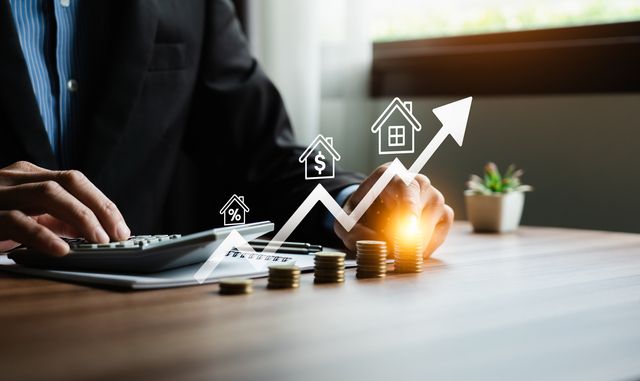
Property management is the process of managing, maintaining, and improving real estate properties such as houses, buildings, and commercial facilities to ensure they remain profitable, safe, and well-organized. It plays a vital role in the real estate sector, especially in rental management, maintenance, and communication between property owners and tenants. Importance of Property Management Property management ensures that properties operate efficiently and generate consistent income. It helps reduce unexpected costs, extends the lifespan of buildings, and preserves property value. Additionally, good property management improves tenant satisfaction, leading to stable and long-term rental income. Responsibilities of a Property Manager A property manager handles various tasks, including: Leasing and Tenant Management Finding suitable tenants, preparing lease agreements, and monitoring rent payments. Maintenance and Property Care Ensuring the property is in good condition, arranging regular maintenance, and addressing emergency repairs. Financial Management Collecting rent, preparing budgets, and tracking income and expenses related to the property. Legal Compliance Ensuring the property complies with government laws and regulations related to property and tenancy. Owner Communication Providing regular reports to property owners regarding the condition and financial performance of the property. Benefits of Property Management Professional property management saves owners time and effort. It minimizes tenant disputes, improves operational efficiency, and ensures the property is managed in a professional and organized manner.